Description

Tetracaine
2-(Dimethylamino)ethyl4-(butylamino)benzoate;2-(Dimethylamino)ethylp-(butylamino)benzoate;2-Dimethylaminoethylesterkyselinyp-butylaminobenzoove;2-dimethylaChemicalbookminoethylesterkyselinyp-butylaminobenzoove;2-dimethylaminoethylp-butylaminobenzoate;4-(butylamino)-benzoicaci2-(dimethylamino)ethylester;amethocaine;Anetain
CAS No.:94-24-6
Molecular formula: C15H24N2O2
Molecular weight: 264.36
EINECS No.: 202-316-6
Mr. Ted
-Sales manager
Tel: +8615628852771
Whatsapp: 8615628852771
Wechat: 8615628852771
FAX: 0086-531-88113608
Email: sales09@pharmachemm.com
Web:www.jianfengchemical.com www.pharmachemm.com
Add: 311-2, R&D Building 1, No. 554 Zhengfeng road, High-
Tech zone,Jinan City, Shandong, China.

Introduction
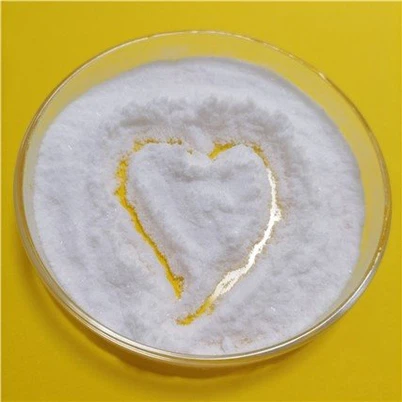
Tetracaine is in the form of white crystal or crystalline powder, odorless, slightly bitter taste, and tongue numb feeling. Soluble in water, soluble in ethanol, insoluble in ether or benzene.
pharmacological mechanism
Block voltage-dependent sodium channels, block conduction, and produce anesthesia. Local anesthetics have a lipophilic effect, and non-dissociated forms are a necessary condition for penetrating into nerves, and after penetrating into nerves, they must be transformed into dissociated charged cations to play a role. Different local anesthetics have different dissociative/nondissociated ratios.
Pharmacology and Application
The local anesthetic effect is stronger than procaine, 10 times greater than procaine. Toxicity is also greater, 10-12 times greater than procaine. It can penetrate the mucosa and is mainly used for mucosal anesthesia. The effect is rapid, and it takes effect within 1 to 3 minutes. Stays for 2-3 hours. 0.5% to 1% solution for ophthalmology, no serious adverse reactions such as corneal damage. 1% to 2% solution for nose and throat department, the total amount should not exceed 20ml. When applying, 1 drop of 0.1% epinephrine hydrochloride solution should be added to every 3ml. 0.025% to 0.03% solution is used for infiltration anesthesia, and 0.1% to 0.3% solution is used for nerve conduction block. Spinal anesthesia with 10 ~ 15mg mixed with cerebrospinal fluid and injected. 0.15% to 0.3% solution is used for epidural anesthesia, and the maximum concentration is 0.3% when combined with lidocaine. Due to the high toxicity, infiltration anesthesia is generally not performed. Extreme dose: infiltration anesthesia, nerve conduction block, 0.1g once.
Dosage
Epidural anesthesia: The usual concentration is 0.15-0.3% solution, combined with lidocaine hydrochloride, the highest concentration is 0.3%, the usual dose is 40-50 mg, and the extreme dose is 80 mg Chemicalbook. Subarachnoid block: commonly used its mixed solution (1% tetracaine hydrochloride 1ml mixed with 10% glucose injection 1ml, 3% ephedrine hydrochloride 1ml), the usual dose is 10mg, 15mg is the limit, 20mg is the extreme quantity. Nerve conduction block: the usual concentration is 0.1% to 0.2%, the usual dose is 40 to 50 mg, and the extreme dose is 100 mg. Mucosa topical anesthesia: commonly used concentration is 1%, 1% isotonic solution for ophthalmology, 1-2% solution for otolaryngology, and the limit is 40 mg at a time.
Adverse reactions
Toxic reactions: The efficacy of this product is 10 times that of procaine, and its toxicity is also 10 times higher than that of procaine. The incidence of toxic reactions is also higher than that of procaine, often due to large doses, fast absorption or improper operation Caused, such as mistakenly injected into the blood vessel to make the blood concentration too high. Symptoms of overdose poisoning are: dizziness, dizziness, followed by chills, tremors, panic, and finally convulsions and coma, and respiratory failure and blood pressure drop, requiring timely rescue. Allergic reaction: It can cause sudden death in allergic patients, and attention should be paid even during topical anesthesia. Rashes or urticaria, edema of the face, mouth or (and) glossopharyngeal area may occur.
Precautions
Occasionally, there may be rash, tremor, vomiting and even shock. Large doses can cause depression of the cardiac conduction system and central nervous system. Do not inject into the blood vessel by mistake. Uses The intensity of local anesthesia is 10 times that of procaine, and the effect can be maintained for 2 to 3 hours, with strong penetrating power. Mainly used for topical anesthesia of eyes, nose, throat and urinary tract. After absorption, it can cause convulsions, and then turn into respiratory depression. Generally, it is not used for infiltration and conduction anesthesia.
Mr. Ted
-Sales manager
Tel: +8615628852771
Whatsapp: 8615628852771
Wechat: 8615628852771
FAX: 0086-531-88113608
Email: sales09@pharmachemm.com
Web:www.jianfengchemical.com www.pharmachemm.com
Add: 311-2, R&D Building 1, No. 554 Zhengfeng road, High-
Tech zone,Jinan City, Shandong, China.
Hot Tags: tetracaine base, China, suppliers, manufacturers, factory, wholesale, buy, bulk, price, for sale, in stock, Disodium Creatine Phosphate Tetrahydrate, Powder Favipiravir API, Bisoprolol Fumarate Powder, Antifungal Nifuratel Powder, White Prilocaine Powder, Apixaban Powder
Send Inquiry
You Might Also Like