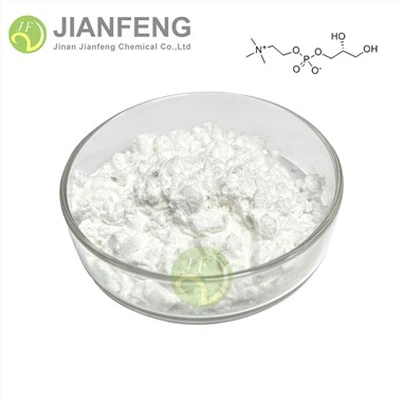
Who Is Coenzyme Q10 Suitable For?
Leave a message
Coenzyme Q10 has the dual status of adding ingredients to medicine and health care products. Due to the overwhelming publicity of merchants, it has become very popular in recent years. In the promotion of health products, coenzyme Q10 has many functions such as protecting the heart, lowering blood pressure and fat, anti-aging, anti-cancer, and improving human immunity.
Does coenzyme Q10 really have so many miraculous effects? Today we will learn about the function, applicable population and precautions of coenzyme Q10.
1. What is Coenzyme Q10?
Coenzyme Q10, also known as ubiquitin ketone, is ubiquitous in animals and most bacteria and belongs to the coenzyme family.
It generally contains a side chain composed of 6-10 isoprene units, and mammals contain 10, so it is called coenzyme Q10.
It was first discovered in the mitochondria of bovine heart cells by Professor Frederick Crane of the University of Wisconsin in the United States in 1957.
Coenzyme Q10 is fat-soluble, similar to vitamins, and can be synthesized by the human body. It mainly participates in aerobic cellular respiration and plays an important role in proton translocation and electron transfer in the human respiratory chain. It can be used as an activator of cell metabolism and cellular respiration, and is still an important Antioxidant and non-specific immune enhancer, which can promote oxidative phosphorylation reaction and protect the integrity of biofilm structure.
Organs with high energy requirements in the body, such as the heart, liver, kidneys, and pancreas, have relatively high concentrations and levels of coenzyme Q10. The distribution of coenzyme Q10 in the cell is the most in the mitochondria (45%-50%), and the least in the cytoplasm (5%-10%).

2. What are the functions of coenzyme Q10?
The U.S. FDA has not approved coenzyme Q10 as a drug. In the United States, coenzyme Q10 is marketed as a food supplement.
In my country, coenzyme Q10 is not only a drug approved by the China Food and Drug Administration (CFDA), but also the main or added ingredient of many health products.
This product is used for the auxiliary treatment of the following diseases:
1. Cardiovascular diseases, such as:
viral myocarditis, chronic cardiac insufficiency.
2. Hepatitis, such as:
viral hepatitis, subacute liver necrosis, chronic active hepatitis.
3. Comprehensive treatment of cancer:
It can alleviate some adverse reactions caused by radiotherapy and chemotherapy.
3.Who is suitable for use?
About 3/4 of coenzyme Q10 in the human body is produced by itself, and only a small part comes from food supplements. Sea fish, beef, chicken, nuts, seeds and other foods contain coenzyme Q10.
However, coenzyme Q10 is produced in the mitochondria and mainly exists in the mitochondrial biofilm, so it is difficult for exogenous coenzyme Q10 to really enter the mitochondrial biofilm from the outside and achieve its effect.
For most ordinary people, the amount of self-synthesized coenzyme Q10 is large enough, and there will be no problem of deficiency. Therefore, it is not recommended for healthy people to use drug-based coenzyme Q10 for supplementation.
So, based on the functional positioning of the drug, which patients can use Coenzyme Q10?
According to the drug instructions approved by CFDA, it can be used for patients who meet the drug indications, such as: patients with cardiovascular diseases such as viral myocarditis, chronic cardiac insufficiency, congestive heart failure, coronary heart disease, hypertension, arrhythmia; Patients with hepatitis, subacute hepatic necrosis, and chronic active hepatitis; cancer patients receiving radiotherapy and chemotherapy; patients with secondary aldosteronism; patients with sequelae of neck trauma; patients with cerebrovascular disorders; patients with hemorrhagic shock.
However, it must be noted that coenzyme Q10 is an adjuvant treatment drug. In the treatment of the above diseases, the main treatment drugs recommended by the relevant disease guidelines must be the main treatment. Only when the patient's economic conditions permit can the combined use of coenzyme Q10 be considered for adjuvant treatment. .
At present, only the "Chinese Guidelines for the Diagnosis and Treatment of Heart Failure 2018" and the "Chinese Expert Consensus on the Diagnosis and Treatment of Adult Fulminant Myocarditis" officially recommend coenzyme Q10 as an adjuvant drug therapy, which can improve myocardial energy metabolism in patients, thereby improving heart function.
For the diseases listed in the indications of the other drug inserts, the relevant guidelines did not make clear recommendations.
▌ Coenzyme Q10 And Statins
In addition, studies have shown that certain statin cholesterol-lowering drugs can reduce the level of coenzyme Q10 in the body by 20%-40%, but there is no evidence that the reduction of coenzyme Q10 will directly lead to any adverse effects. Existing scientific evidence is also insufficient to support that coenzyme Q10 can reduce muscle pain caused by statin drugs.
Therefore, it is not recommended for patients taking statins to take coenzyme Q10 at the same time to prevent adverse reactions.
▌ Parkinson's Disease
The results of a large clinical phase III trial showed that even at doses much higher than the normal standard, coenzyme Q10 could not improve the symptoms of early Parkinson's disease patients. Therefore, coenzyme Q10 is also not recommended for patients with Parkinson's disease.
▌ Other Diseases
There are other literature reports that coenzyme Q10 is used for migraine; multiple system atrophy; improving body movement status and physical fitness, reducing fatigue; improving sperm quality, activity and concentration; improving reproductive ability, anti-aging, improving immunity and resistance, etc., but There is no rigorous RCT controlled experimental research support, so it is not recommended.

4.Adverse reactions of coenzyme Q10
Coenzyme Q10 oral preparations reported less adverse reactions, mainly including stomach discomfort, loss of appetite, nausea, diarrhea, palpitations, and occasionally rash.
BEST BUSINESS PARTNER- Jinan Jianfeng Chemical
Jianfeng Chemical is a research-driven pharmaceutical company.We have more than 10 years experience in the pharmacy filed. Mainly manufactures pharmaceutical APIs,Pharmaceutical intermediate and Cosmetic raw material. Owing to the good quality and competitive price, we have a very good reputation in China's pharmaceutical circles.
In the principle of "Quality Oriented", Jianfeng passed the certification of ISO9001:2008 Quality Management System.
Our products are based on bulk, high volume, wholesale price, third party testing, certificate reporting, and bring high quality ingredients to many domestic and overseas enterprises.

How To Cooperate With Us?
--Leave us a message about the products you want.
--Description of order quantity.
--Please tell us your shipping address.
--The sales manager gives you a quote and sends you a contract.
--Delivery the same day after payment.