Spermidine Trihydrochloride vs Spermidine: What’s The Difference?
Leave a message
Spermidine has gained increasing interest in the fields of longevity science, nutritional research, and pharmaceutical development. As the discussion around spermidine in health and diseasecontinues to expand, different forms of spermidine have become available, including naturally sourced spermidine and highly purified spermidine trihydrochloride.
Although they share the same core molecule, spermidine and spermidine trihydrochloride are not exactly the same. Differences can be found in their chemical structure, source, purity, stability, and common applications.
What Is Spermidine?
Spermidine is a naturally occurring polyamine present in living cells and a variety of foods, including wheat germ, soybeans, mushrooms, and aged cheese. It plays a role in several biological processes, such as cellular growth, nucleic acid stability, protein synthesis, and cellular maintenance mechanisms like autophagy. Because of these characteristics, spermidine has become a frequently discussed compound in areas related to healthy aging, metabolism, and cellular function. Natural spermidine is commonly used in food-derived supplements and nutritional products.

What Is Spermidine Trihydrochloride?
Spermidine trihydrochloride, also known as spermidine 3HCl, is the hydrochloride salt form of spermidine. It is produced by combining one spermidine molecule with three molecules of hydrochloric acid, resulting in a more stable and well-defined chemical form.
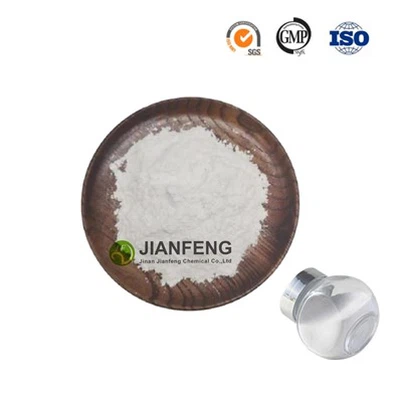
Compared with natural spermidine sources, spermidine trihydrochloride powder usually offers higher purity, better batch consistency, and more convenient quality control. For this reason.

How Does Spermidine Work in the Body?
Although spermidine and spermidine trihydrochloride differ in their chemical forms, both provide the same biologically active spermidine molecule after entering biological systems. Their biological roles are closely related to cellular maintenance and metabolic regulation.
One of the most extensively studied pathways associated with spermidine is autophagy. Autophagy is a natural intracellular recycling process in which cells identify damaged proteins, dysfunctional organelles, and other unnecessary cellular components, enclose them within specialized membrane structures called autophagosomes, and transport them to lysosomes for degradation and recycling.The resulting breakdown products, including amino acids and other small molecules, can then be reused by the cell to support normal cellular activities. Through this continuous quality-control mechanism, autophagy contributes to cellular homeostasis and adaptation to different physiological conditions.
Beyond autophagy, spermidine has also been investigated for its potential involvement in various biological processes, including protein synthesis, gene regulation, mitochondrial function, oxidative stress response, and cellular metabolism.
What Is Spermidine and Spermidine Trihydrochloride Used For?
Both spermidine and spermidine trihydrochloride have broad applications in life science and health-related fields.
Common applications include:
Dietary Supplements: Used in products related to healthy aging, cellular wellness, and general nutritional support.
Life Science Research: Applied in studies involving autophagy, cellular metabolism, and the relationship between spermidine in health and disease.
Pharmaceutical Research: Pharmaceutical-grade spermidine trihydrochloride is used as a high-purity material in pharmaceutical and biomedical studies.
Functional Nutrition Products: Included in various formulations associated with longevity and overall wellness concepts.
|
|
|


Is Spermidine Trihydrochloride Better Than Regular Spermidine?
Spermidine trihydrochloride is not necessarily better than regular spermidine; it represents a different chemical form with its own advantages.
Natural spermidine provides a food-derived source of this polyamine, while spermidine trihydrochloride provides a highly purified and standardized form. The choice between them is usually based on purity requirements, stability considerations, and the intended application.
Conclusion
Natural spermidine is commonly found in food-based products, while spermidine trihydrochloride is widely used as a high-purity spermidine powder in dietary supplements, life science research, and pharmaceutical-grade applications.Understanding these differences helps clarify why different forms of spermidine exist and how each form fits specific application needs.
|
Item |
Spermidine |
Spermidine Trihydrochloride |
|
Chemical nature |
Free spermidine, usually obtained from natural sources or biosynthesis |
Hydrochloride salt form of spermidine |
|
CAS |
124-20-9 |
334-50-9 |
|
Source |
Wheat germ, soybean, microorganisms, and other natural materials |
Chemical synthesis or controlled production processes |
|
MF |
C7H19N3 |
C7H22Cl3N3 |
|
MW |
145.25 |
254.63 |
|
Appearance |
White to off-white powder |
White to off-white powder |
|
EINECS |
204-689-0 |
206-379-0 |
|
Purity |
≥98% |
≥98% |

References and Supporting Sources
[1] Just Glow. (2024). Spermidine 3HCl vs. Spermidine vs. Spermidine Trihydrochloride: Key Differences Explained. Just Glow.
[2] Provitabio. Spermidine Trihydrochloride vs Spermidine: What's the Difference and Which is Better?. Provitabio.
[3] Sino-lifescience. Spermidine trihydrochloride: the overall wellbeing booster for cellular health. Sino-lifescience.
[4] Amerigo Scientific. Spermidine Trihydrochloride: A Key Compound in Life Science, Health, and Innovation. Amerigo Scientific.