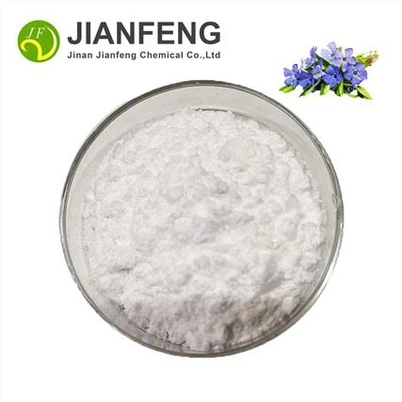
Olivetolic Acid
CAS:491-72-5
MF:C12H16O4
MW:224.25
Certificate: ISO,GMP,CTC,SGS,CQC
Place of Origin: Shandong, China
Lead time:1 working day after payment
Payment: T/T, Paypal, L/C,Western union
Description
What is Olivetolic acid?
Olivetolic acid (OA) is a polyketide derived from a tetraketide precursor, a key intermediate in the biosynthesis of various secondary metabolites in plants. It is structurally similar to other polyketides, such as the well-known polyketide synthase (PKS) product, lovastatin, which is used as a cholesterol-lowering drug. Recently, there has been growing interest in the potential applications of OA due to its various biological activities. In this article, we will discuss the current research on the application of OA, which includes antimicrobial, anti-inflammatory, anti-tumor, neuroprotective, and antioxidant properties.

Application of Olivetolic acid:
1. Antimicrobial Activity
OA has been shown to possess significant antimicrobial activity against a range of bacteria and fungi. This has been attributed to its ability to inhibit the growth of these organisms by disrupting their cellular membranes. A study conducted by Chaudhari et al. (2012) demonstrated that OA extracted from Cannabis sativa exhibited strong antimicrobial activity against various strains of bacteria, including S. aureus, P. aeruginosa, and E. coli. They also found that OA had a synergistic effect when used in combination with antibiotics, suggesting that it could be a potential adjuvant therapy for antibiotic-resistant infections.
2. Anti-inflammatory Activity
OA has also been found to possess anti-inflammatory properties. It has been shown to inhibit the production of pro-inflammatory cytokines and chemokines, therefore reducing inflammation in various tissues. A study by Wu et al. (2018) investigated the anti-inflammatory effects of OA on lipopolysaccharide (LPS)-induced RAW264.7 cells. They found that OA treatment significantly reduced the production of pro-inflammatory cytokines such as TNF-α, IL-1β, and IL-6. This suggests that OA could be used as a potential therapeutic agent for inflammatory diseases.
3. Antitumor Activity
OA has been shown to possess antitumor properties, making it a promising candidate for cancer therapy. In a study conducted by Hsia et al. (2017), they found that OA inhibited the proliferation of a range of cancer cells, including breast, lung, colon, and prostate cancer cells. They also found that OA induced apoptosis in cancer cells by activating caspase-3 and increasing the expression of Bax. This suggests that OA could be used as a potential chemotherapeutic agent for various types of cancer.
4. Neuroprotective Activity
OA has also been found to possess neuroprotective properties, making it a potential therapeutic agent for neurodegenerative diseases. It has been shown to protect neurons from oxidative stress and inhibit neuroinflammation. In a study by Gao et al. (2018), they found that OA protected PC12 cells from oxidative stress by reducing the production of reactive oxygen species (ROS) and increasing the activity of endogenous antioxidant enzymes. They also found that OA inhibited neuroinflammation by suppressing the expression of pro-inflammatory cytokines. This suggests that OA could be used as a potential therapeutic agent for the treatment of neurodegenerative diseases.
5. Antioxidant Activity
OA has been found to possess potent antioxidant activity. It has been shown to scavenge free radicals and reduce oxidative stress in cells. In a study conducted by Lin et al. (2017), they found that OA had a strong free radical scavenging activity and inhibited lipid peroxidation in vitro. They also found that OA protected cells from hydrogen peroxide-induced oxidative stress by increasing the activity of antioxidant enzymes. This suggests that OA could be used as a potential therapeutic agent for the treatment of oxidative stress-related diseases.
6. Conclusion
In conclusion, the potential applications of OA are numerous and diverse. Its antimicrobial, anti-inflammatory, antitumor, neuroprotective, and antioxidant properties make it a promising candidate for the development of various therapeutic agents. However, further studies are required to fully elucidate its mechanisms of action and evaluate its safety and efficacy in vivo.


Why choose us?
Jinan Jianfeng Chemical Co., Ltd. is a company headquartered in Jinan, China, which is specialized in the development, production and sales of pharmaceutical intermediates, APIs (active pharmaceutical ingredients), cosmetic raw materials and fine chemicals. The company has a state-of-the-art manufacturing facility and R&D center equipped with advanced technology and equipment to ensure high-quality products. Jinan Jianfeng Chemical Co., Ltd. has built a strong reputation in the industry with its dedication to quality, innovation and customer service. The company is committed to providing customers with safe and effective products that meet the highest quality standards and compliance.

Jinan Jianfeng Chemical specializes in providing raw materials for cosmetics, raw materials for analgesics, raw materials for antidepressants, raw materials for nootropic drugs, and various pharmaceutical intermediates. We continue to research and innovate, and provide our customers with high-quality and cheap products and high-quality services. If you need, please feel free to send inquiry to sales01@pharchemm.com.
If there is a quality problem with the product or it does not pass the test, you can rest assured that we have an after-sales guarantee .
Contact


Hot Tags: olivetolic acid, China, suppliers, manufacturers, factory, wholesale, buy, bulk, price, for sale, in stock
Send Inquiry
You Might Also Like