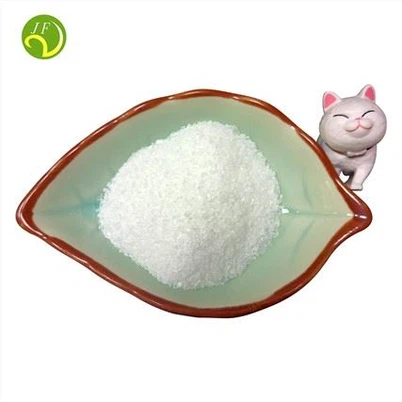
Anesthetic Lidocaine
CAS:137-58-6
Factory wholesale
Shipping from China
quality assurance
Description

2-(Diethylamino)-2',6'-acetoxylidide;2-(diethylamino)-2’,6’-acetoxylidide;2-(diethylamino)-n-(2,6-dimethylphenyl)-acetamid;2',6'-AcetoChemicalbookxylidide,2-(diethylamino)-;6’-acetoxylidide,2-(diethylamino)-2;Acetamide,2-(diethylamino)-N-(2,6-dimethylphenyl)-;Ligoncaine;Maricaine
CAS number: 137-58-6
Molecular formula: C14H22N2O
Molecular weight: 234.34
EINECS No.: 205-302-8
Mr. Ted
-Sales manager
Tel: +8615628852771
Whatsapp: 8615628852771
Wechat: 8615628852771
FAX: 0086-531-88113608
Email: sales09@pharmachemm.com
Web:www.jianfengchemical.com www.pharmachemm.com
Add: 311-2, R&D Building 1, No. 554 Zhengfeng road, High-
Tech zone,Jinan City, Shandong, China.

overview
Lidocaine acts as a local anesthetic by reversibly blocking sodium channels and blocking the transmission of action potentials on nerve fibers. Sensory nerve fibers are blocked earlier than motor nerve fibers, so low doses of lidocaine can exert selective sensory blockade. Lidocaine also has antiarrhythmic effects and belongs to class Ib antiarrhythmic drugs. It reduces ventricular rate, shortens action potential duration and absolute refractory period, and prolongs relative refractory period. Lidocaine has a rapid onset of action and a short duration. Adding epinephrine to lidocaine can reduce the rate of systemic absorption, thereby prolonging the time of anesthesia.
Indications
Lidocaine is suitable for acute ventricular arrhythmias caused by acute myocardial infarction, surgery, digitalis poisoning and cardiac catheterization, including premature ventricular contractions, ventricular tachycardia and ventricular fibrillation. Secondly, it is also used for status epilepticus.
application
Lidocaine is the first-line drug for the treatment of ventricular arrhythmias caused by acute and severe hemodynamic abnormalities. It is also effective for some supraventricular arrhythmias, such as accessory pathway-mediated supraventricular tachycardia and cardioversion of acute or parasympathetic-mediated atrial fibrillation. Widely used for topical anesthesia of mucosa (such as before endotracheal intubation). EMLA cream is used for topical skin anesthesia prior to IV catheterization. In order to ensure the anesthesia effect, it needs to be applied on the skin for 45-60 minutes, and wrapped with an airtight dressing to promote absorption. EMLA is useful for ear vein cannulation in rabbits and in young dogs and cats.
medicine interactions
Concomitant use with cimetidine and propranolol will prolong the serum clearance of lidocaine. Combination with procainamide may increase CNS adverse reactions. Other antiarrhythmic drugs may cause increased myocardial depression.
Pharmacokinetics
This product is rapidly absorbed after injection, and is quickly distributed in the heart, brain, kidney and blood-rich tissues. Then distributed to fat and muscle tissue: can pass through the blood-brain barrier and the placental barrier. The plasma protein binding rate is about 66%, and the protein binding rate of smokers is higher than that of non-smokers. T1/2 is about 100min, and it takes effect 45-90s after intravenous injection, and lasts for 10-20min: the therapeutic blood drug concentration is 1.5-5ug/mL, the toxic blood drug concentration is above 5ug/L, continuous intravenous infusion for 3 ~ 4h up to steady-state blood concentration, acute myocardial infarction need 8 ~ 1Oh. Most of it is metabolized by the liver and dealkylated by mixed function oxidases in microsomal. It is degraded into monoethylglycyl xylidine and glycyl xylidine, which have pharmacological activity and toxicity ~ are excreted by the kidneys, 10% are the original form, 58% are metabolites, and a small amount appears in the bile.

Preparation
1. Synthesis of α-chloro-2,6-dimethylacetanilide Add lmI to a dry Erlenmeyer flask. 2,6-dimethylaniline and 0.4ml. Glacial acetic acid, and then add 0.6 mL of chloroacetyl chloride [1-1 dropwise, while constantly shaking the mixture in the reaction flask. Heat the mixture to 45. C, add 20mL of 5% sodium acetate solution. Cool the reactant to below 10°C, and filter it with suction. Wash the precipitate with water several times to remove the acetic acid therein, until the filtrate is neutral, collect the precipitate, and dry it in an oven at 80-125°C for 20 minutes. About 1g of the product was obtained.
2. Synthesis of lidocaine Add a-chloro-2,6-dimethylacetanilide to a dry round bottom flask, use 10ml. After the toluene was dissolved, 2 mL of diethylamine was added. Heating to reflux for about 1h, the progress of the reaction can be monitored by thin layer chromatography until the starting point almost disappears. The mixture was cooled to 5 °C in an ice-water bath, and the crystals were removed by suction filtration. The cold filtrate was placed in a separatory funnel, and the filtrate was extracted twice with 3 mol/L hydrochloric acid, 6 mL each time. Cool the acidic aqueous solution of lidocaine to 10°C, slowly add 6mol/L sodium hydroxide solution while stirring until a precipitate forms, then add 2mL of 6mol/L sodium hydroxide solution, and cool the mixture to 20°C. The mixture was extracted twice with 5 mL of petroleum ether, and the organic layer was washed with water and dried with anhydrous potassium carbonate. Distillation to remove oil, that is, Lidocaine crystallization, about 0.3g.
local anesthetic
Lidocaine is a local anesthetic, also known as Xerocaine, which has replaced procaine in recent years and is widely used in cosmetic and plastic surgery for local infiltration anesthesia. It blocks sodium ion channels in nerve cell membranes. Interrupt nerve excitation and conduction. Its fat solubility and protein binding rate are higher than those of procaine. It has a strong ability to penetrate cells, has a fast onset of action, a long duration of action, and its action strength is 4 times that of procaine. It is clinically used in infiltration anesthesia, epidural anesthesia, topical anesthesia (including mucosal anesthesia during thoracoscopic examination or abdominal surgery) and nerve conduction block. In order to prolong the time of anesthesia and reduce side effects such as lidocaine poisoning, epinephrine can be added to the anesthetic. Lidocaine can also be used to treat ventricular premature beats, ventricular tachycardias after acute myocardial infarction, ventricular arrhythmias caused by digitalis poisoning, cardiac surgery and cardiac catheterization, including ventricular premature beats, ventricular tachycardias and ventricular fibrillation. Secondly, it is also used for status epilepticus who are ineffective with other anticonvulsants and local or spinal anesthesia. But it is usually ineffective for supraventricular arrhythmias.
chemical properties
White needle crystal. Melting point 68-69°C; boiling point 180-182°C (0.53kPa), 159-160°C (0.267kPa), soluble in ethanol, ether, benzene, chloroform and oil, insoluble in water. Common base hydrochloride, lidocaine hydrochloride (C14H22N2O HCL, [73-78-9]) is a white crystalline powder. The melting point is 127-129°C, and the melting point of monohydrate is 77-78°C. Very soluble in water, 0.5% aqueous solution pH04.0-5.5. Odorless, with bitter numb taste.
use
This product is an amide local anesthetic. Widely used in surface anesthesia, infiltration anesthesia, conduction anesthesia and epidural anesthesia. The oral LD50 of lidocaine hydrochloride to mice is 290mg/kg.
Mr. Ted
-Sales manager
Tel: +8615628852771
Whatsapp: 8615628852771
Wechat: 8615628852771
FAX: 0086-531-88113608
Email: sales09@pharmachemm.com
Web:www.jianfengchemical.com www.pharmachemm.com
Add: 311-2, R&D Building 1, No. 554 Zhengfeng road, High-
Tech zone,Jinan City, Shandong, China.
Hot Tags: anesthetic lidocaine, China, suppliers, manufacturers, factory, wholesale, buy, bulk, price, for sale, in stock, Disodium Creatine Phosphate Tetrahydrate, Apixaban Powder, Bisoprolol Fumarate Powder, API Nepafenac Powder, Pharmaceutical Raw Materials API, Medicine Grade Flurbiprofen Powder
Send Inquiry
You Might Also Like